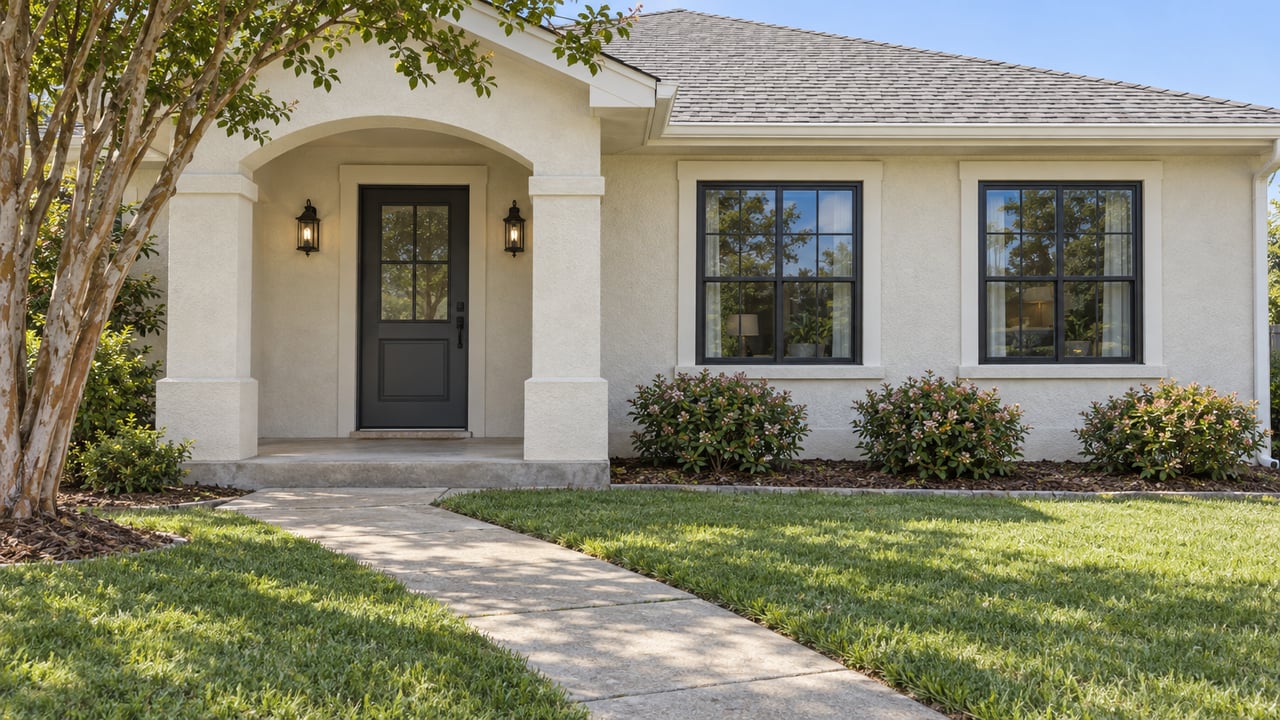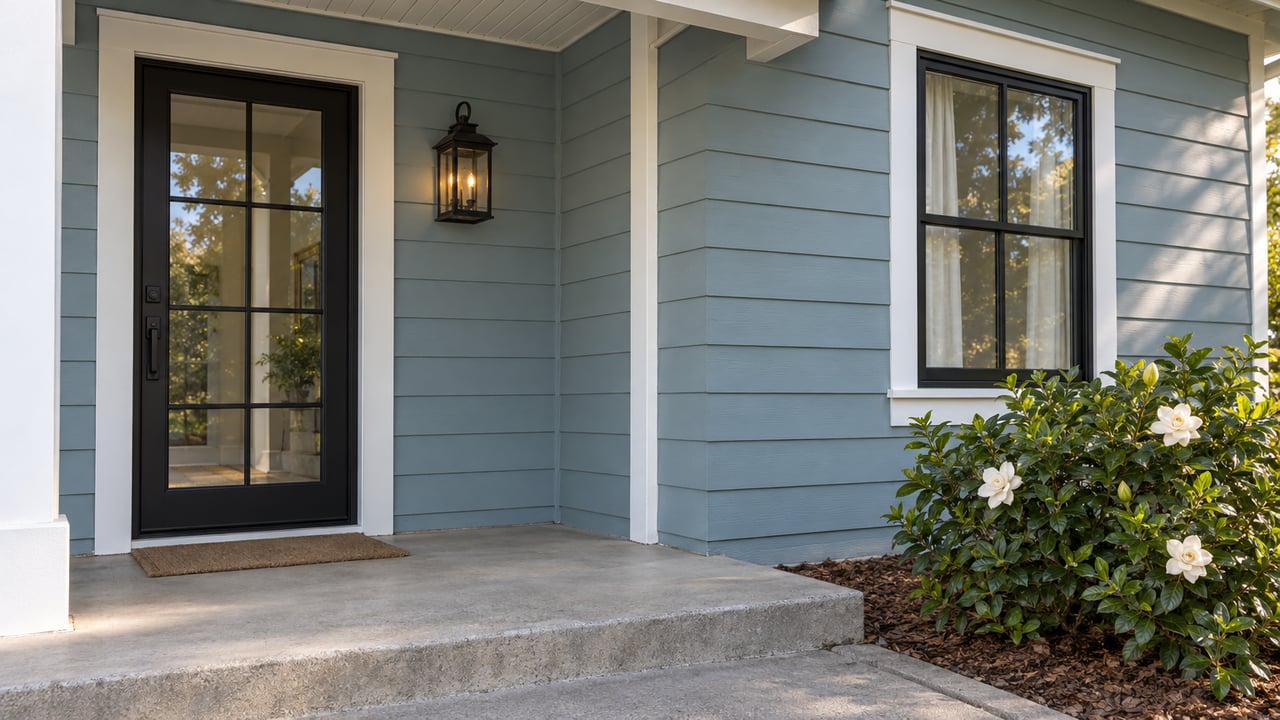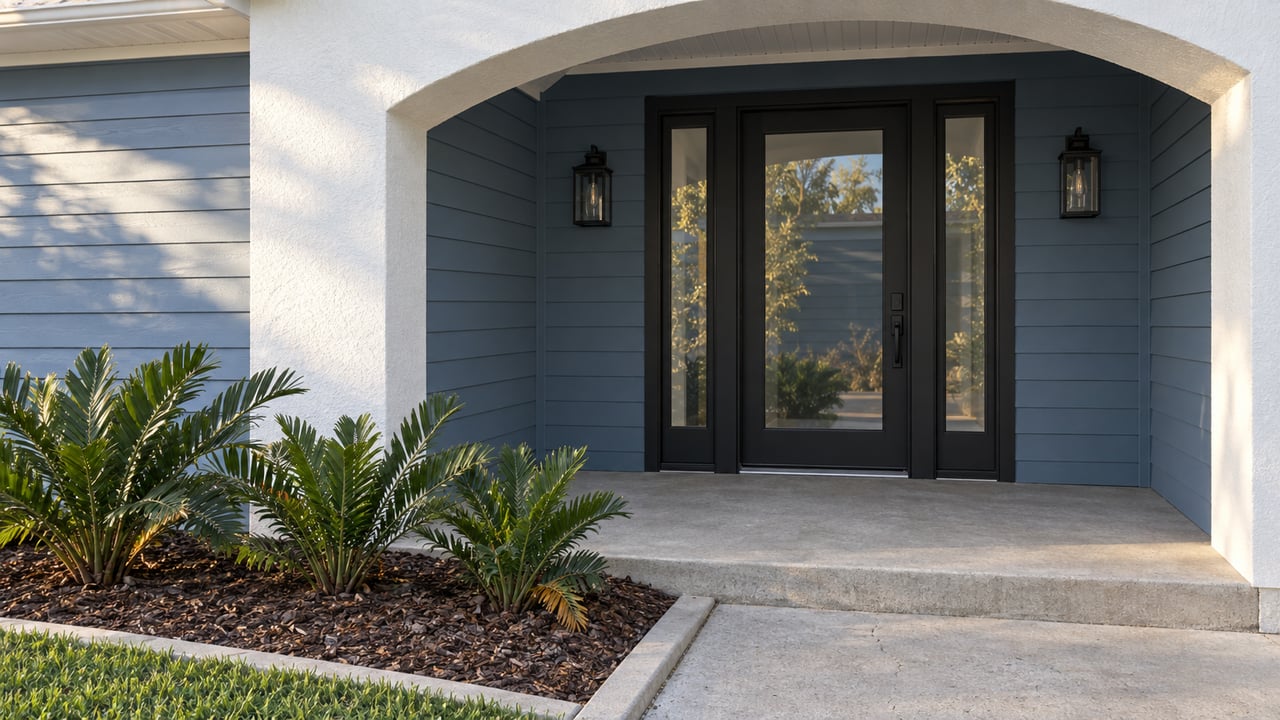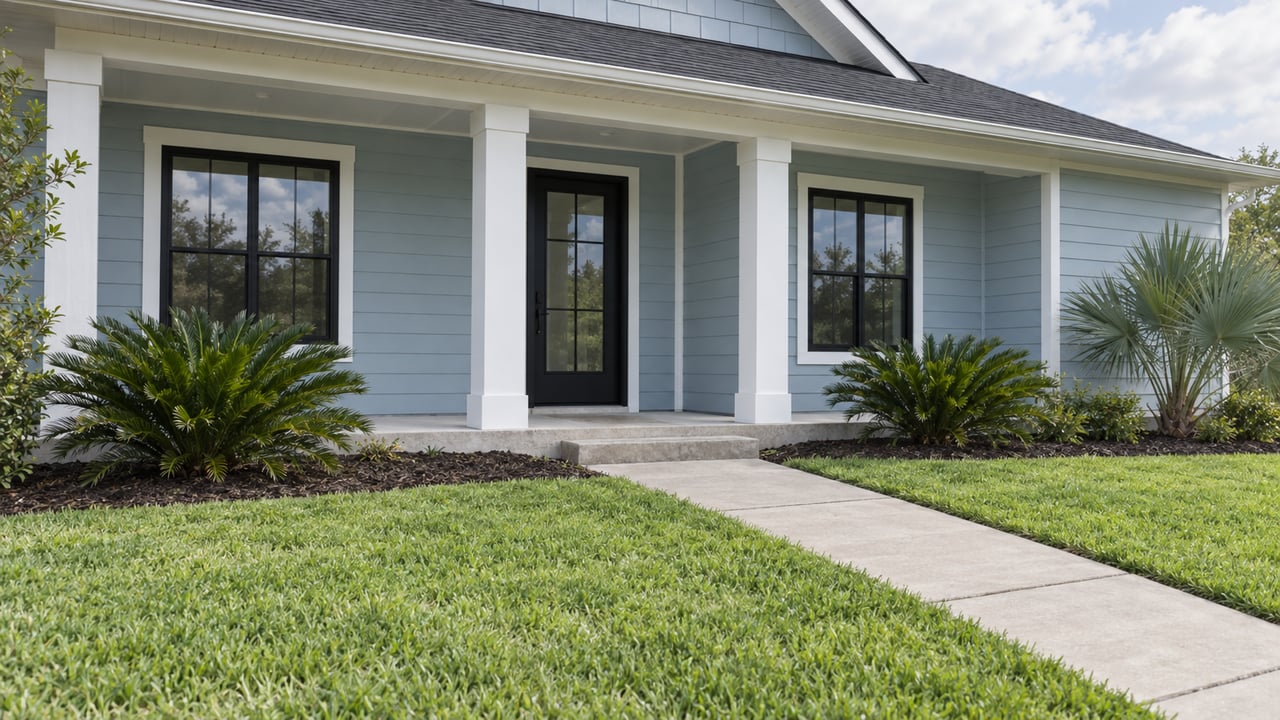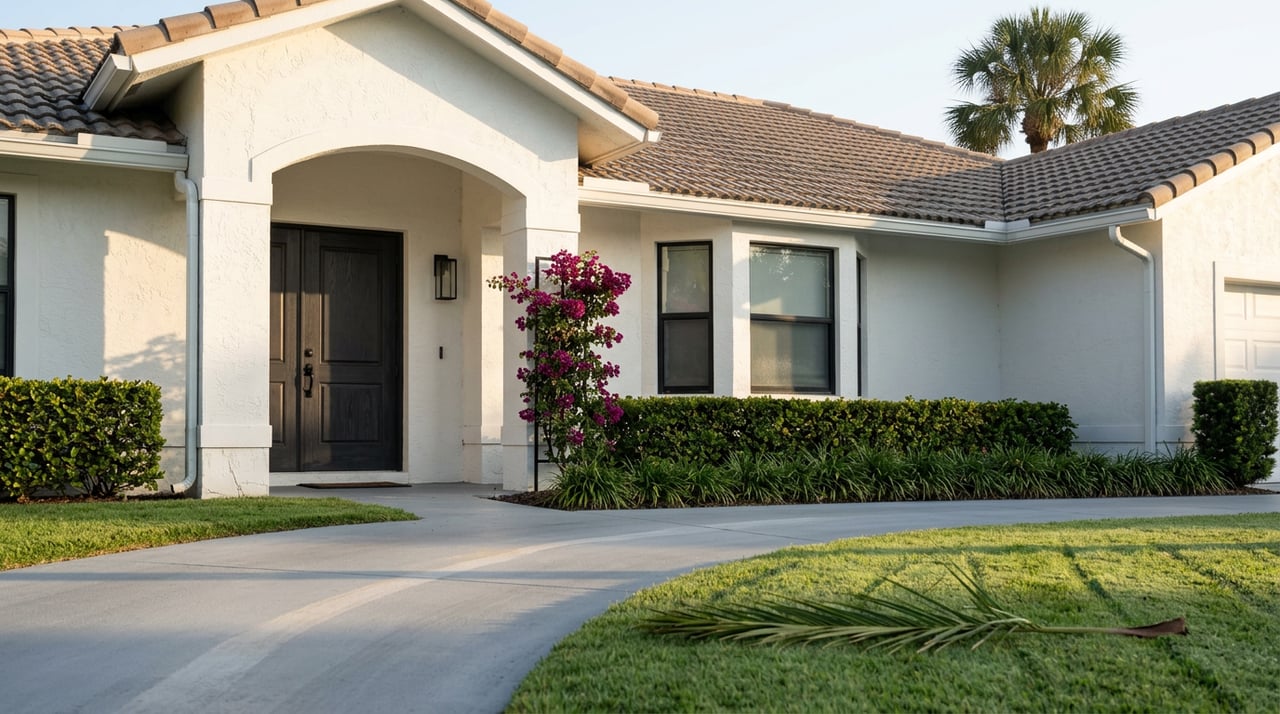
A cottage at 986 Cottage Drive, in Lakeshore Cottages at Lake Sumter Landing, closed on June 30, 2026 for $1.15 million. It is a 1,970-square-foot, two-bedroom, two-bath home built in 2004, sitting on a 0.147-acre lot. The same address sold for $760,900 in May 2019, for $599,000 in February 2016, and for $518,900 in September 2013. Track that line and you get a tidy appreciation story, the kind that shows up in every market update: values in this pocket of The Villages have more than doubled over the period shown.
The sale price alone doesn't indicate whether the parcel still owes anything on its Community Development District bond. The home sits inside Village Community Development District 6, one of dozens of special districts that financed the roads, utilities, and recreation buildings across The Villages before a single house was sold on them. The Villages Community Development Districts FAQ says the bond assessment appears on the annual property tax bill in the Non-Ad Valorem section.
That's the piece of Sumter Landing's market that the median price can't capture, and it's the reason two homes that look identical on paper can cost meaningfully different amounts to actually own.
A Bond Balance That Comes With the Property
When developers build a new section of The Villages, they don't wait for homes to sell before putting in roads, water and sewer lines, streetlights, and the recreation centers and golf courses that come with each phase. That infrastructure is financed upfront through bonds issued by the district, and the cost is assigned to each lot as a special assessment, not folded into the price of the house the way an impact fee would be in most other Florida developments.
The bond is not a monthly bill. It shows up once a year on the property tax statement as a non-ad valorem line item, separate from the ad valorem tax based on assessed value.
The amount varies enormously by build era. On an established resale patio villa, the remaining balance might run anywhere from a few thousand dollars to $15,000 or more. On newer construction, the number is a different order of magnitude entirely: bonds of $25,000 to $45,000 are routine on recently built sections. Paying it off early doesn't raise the home's value. It just removes a line item, which is one reason many owners choose not to bother unless they're already trying to make the property more attractive to a buyer who wants to avoid inheriting the payment.
Three Fees in One Envelope, and They Are Not the Same Charge
Buyers new to The Villages tend to lump the bond, the CDD maintenance assessment, and the monthly amenity fee into one vague category of "Villages costs." They're three separate obligations with three separate rules, and confusing them is the fastest way to misjudge what a home actually costs to hold.
| Charge | What it funds | How it's billed | What happens over time? |
|---|---|---|---|
| CDD Bond | One-time construction of roads, utilities, and amenities for that section | Annual, on the property tax bill as a non-ad valorem assessment | Yes, once paid off, and it can be prepaid at any time |
| CDD Maintenance Assessment | Ongoing upkeep of roads, landscaping, and stormwater systems | Annual, alongside the bond on the tax bill, typically $600 to $1,400 per year | Billed annually |
| Amenity Fee | Access to recreation centers, pools, and walking play on the executive golf courses | Monthly, roughly $204 for new buyers as of early 2026 | The Villages Community Development Districts describes it as a contractual charge adjusted under each homeowner's deed covenant. |
Bond Balances and the Median Sale Price
Recorded MLS closings for the Villages of Sumter area put the median sold price at $410,000 for the twelve months ending August 2, 2026, essentially flat year over year and down about 4 percent from the 2024 peak of $425,000. The typical sale in that window took 36 days and closed at 94 percent of original list price. Those numbers describe a market that has cooled slightly from its post-pandemic run but is still absorbing homes at a reasonable clip.
Here's the detail that changes how you should read that median: in the window ending June 2026, cash buyers accounted for 59 percent of recorded sales in this area, 71 of 121 closings. That matters because a cash purchase skips mortgage underwriting, which can prompt a review of the bond balance. A lender underwriting a mortgage typically wants to see the payoff figure and confirm how it factors into the buyer's total obligation. A cash buyer has no lender requiring that step, but the buyer or agent can request the district's payoff statement as part of due diligence; if the balance is not checked, the buyer may not learn the amount until the first tax bill arrives.
That puts the bond balance in context alongside a $410,000 median. On a like-priced home, a $30,000 unpaid bond is roughly 7 percent of the purchase price, so checking it gives buyers a clearer picture of the total obligation.
The median price tells you what buyers paid at closing. It says nothing about what they're still paying on the tax bill.
Same Neighborhood, Different Build Era, Different Bill
Sumter Landing spans homes built across more than two decades, and that range shows up in bond balances more than it shows up in curb appeal. Villages like Hemingway, Belvedere, and Santo Domingo are among the older, more established sections within a short golf cart ride of the square, and homes there are more likely to carry a bond that's substantially paid down or retired outright. Newer pockets, along with premier communities like Bridgeport at Lake Sumter, sit closer to the newer end of that range, and resales there are more likely to carry a meaningful remaining balance.
The practical result is that two three-bedroom homes listed ten minutes apart, both walking distance to the same restaurants and the same lakefront boardwalk, can have bond balances tens of thousands of dollars apart. Nothing about the exterior tells you which one you're looking at. The only way to know is to ask.
Before You Write the Offer
A few steps catch this before it becomes a closing-day surprise:
- Ask the listing agent for the current bond balance in writing, not a verbal "it's low" or "it's mostly paid off."
- Pull the seller's most recent property tax bill and look at the non-ad valorem section, where the bond and maintenance assessment are listed separately from the standard tax.
- Confirm which Community Development District covers the specific parcel. The Villages operates through multiple CDDs, and the district's own site lets you verify assessment schedules by address.
- If you're financing, ask your lender directly whether the bond payoff is required at closing or whether it can be assumed as an ongoing payment. Practice varies by lender and loan program.
- If you're paying cash, don't skip the step just because no one is requiring it of you. That's exactly the scenario where the balance goes unchecked.
None of this is a reason to avoid Sumter Landing. The area keeps investing in itself, most visibly with a new Luma Mediterranean Kitchen breaking ground on the water as part of the ongoing waterfront revitalization, expected to open in fall 2026. It's a sign the square is still adding reasons for both residents and buyers to want in. But wanting in and understanding exactly what you're buying are two different exercises, and the second one takes an extra phone call the median price will never make for you.
FAQ
Does paying off the bond increase my home's resale value? No. Retiring the bond removes a future annual charge but doesn't add to the appraised value. It can make a listing more attractive to a buyer comparing carrying costs, which is why you'll often see "bond paid" called out prominently in listings.
Can I roll the bond payoff into my mortgage? Sometimes, but it depends on the lender and loan program. Confirm this with your lender before you're under contract, not during underwriting.
How do I find the exact bond balance on a specific home? You'll need the lot and unit number for the property. The district's finance office can provide a formal payoff statement as of your anticipated closing date, and your title company should confirm any recorded assessment liens as part of the title search.
If you're weighing a home in Sumter Landing against something in another Villages section, the bond balance is one of the fastest ways to find out whether you're actually comparing apples to apples. Martha Ridgway has spent two decades in Central Florida real estate, with a contractor's eye for what a property actually costs to own, not just what it costs to close on. Request Your Free Home Valuation and get a clear picture of what a specific address, bond balance included, really means for your budget.
This article is general information, not legal, tax or financial advice. Consult a qualified professional about your situation.