If you are getting ready to sell in Middleton, one question can shape your whole timeline and bottom line: should you update the home first, or sell it as-is? That choice can feel even harder when you are balancing budget, time, and the stress of a move. The good news is that you do not need to guess. With the right framework, you can focus on the repairs that matter most, skip the ones that do not, and price your home with confidence. Let’s dive in.
Why repair decisions matter in Middleton
Middleton sellers are not competing in a vacuum. Buyers can compare your home with nearby resale options, newer inventory, and new construction in the area. That makes condition, presentation, and move-in readiness more important than many sellers expect.
In ZIP code 34762, Realtor.com reports 14 active listings, a median list price of $487,000, median price per square foot of $268, and a median of 46 days on market. Homes are also selling for an average of 2.02% below asking. That tells you buyers still have choices and still negotiate.
Middleton’s Range series also adds pressure on resale homes to show well. With current pricing from the lower $340s to the mid-$640s and more homesites and floor plans continuing to roll out, buyers can quickly spot dated finishes or visible maintenance issues. In this setting, smart prep matters, but over-improving can still backfire.
Start with the issues buyers notice most
If you are trying to decide where to spend money, begin with items that can affect disclosure, inspections, financing, or buyer confidence. Florida Realtors’ residential seller disclosure form specifically asks about major systems, roof condition, plumbing leaks, termites and pests, water intrusion, flooding, unclosed permits, code issues, and environmental hazards. These are not small details. They are often the exact issues that create renegotiation later.
That means your first dollars usually go furthest when they reduce risk. A repaired leak, resolved permit issue, or corrected drainage problem is often more valuable than a stylish but optional upgrade. Buyers may forgive a home that is a little dated, but they are less likely to feel comfortable with a home that seems uncertain.
The best repairs to make before listing
For most Middleton sellers, the strongest pre-listing projects fall into two groups: fix problems and refresh presentation. This approach lines up with both local conditions and broader remodeling guidance.
Fix roof, water, plumbing, and pest concerns
Roof issues deserve early attention, especially if there are active leaks, visible wear, or age-related concerns. Roof condition and roof repairs are specifically called out in Florida’s standard disclosure process, and roofing also scored highly for homeowner satisfaction in the 2025 Remodeling Impact Report.
Water intrusion, drainage issues, plumbing leaks, and termite concerns should also move to the top of your list. These are common inspection friction points and can quickly make buyers feel that the home will cost more than expected after closing.
If your home has a pool or spa, verify required safety features before you list. Florida Realtors’ disclosure materials flag pool safety compliance for certain properties, so this is better handled upfront than discovered mid-transaction.
Address permit and compliance questions
If you have completed work over the years, confirm whether permits were properly closed and whether there are any unresolved code concerns. Known permit issues still matter even if you plan to sell as-is. Selling as-is does not erase disclosure obligations.
This is one area where a careful review can save time later. A buyer who discovers permit or compliance questions during inspection may ask for credits, delays, or additional documentation before moving forward.
Refresh paint and first impressions
Once the risk items are handled, turn to the easiest visual wins. The 2025 Remodeling Impact Report found that painting the entire home and painting an interior room are among the projects real estate professionals most often recommend before listing.
Fresh paint helps buyers focus on the home itself rather than your décor. It can also make rooms feel brighter, cleaner, and more current without the cost of a full remodel.
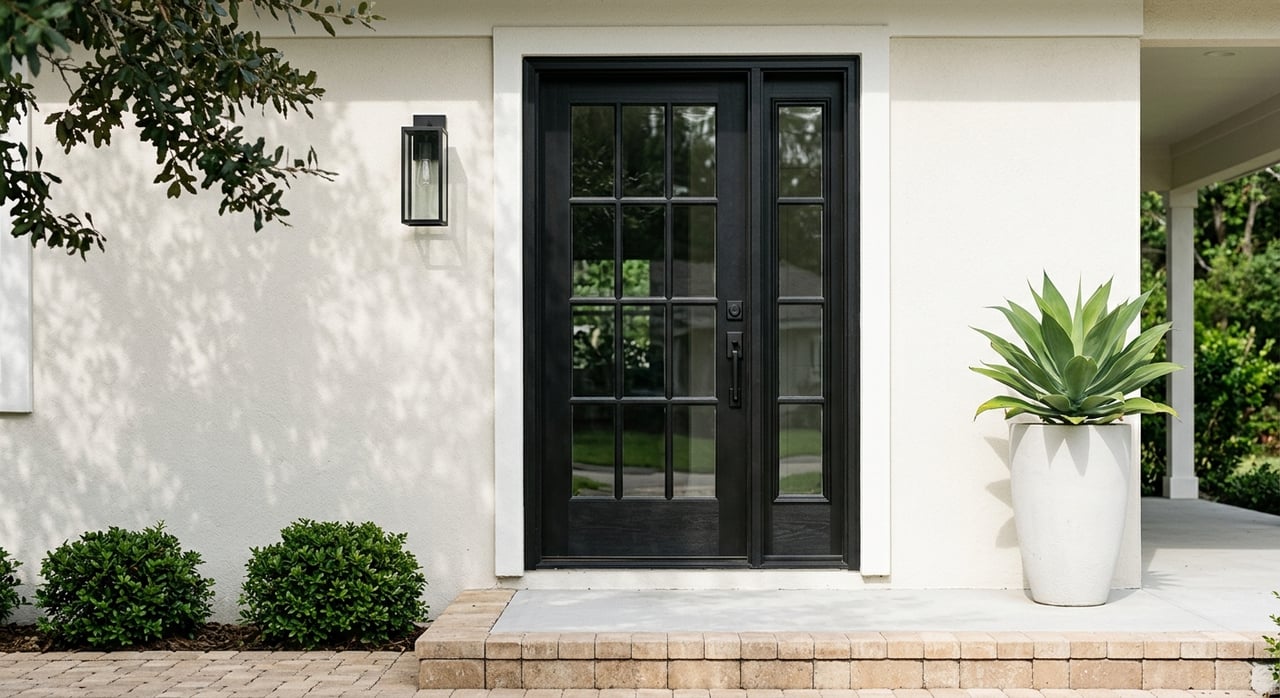
Consider a front door update
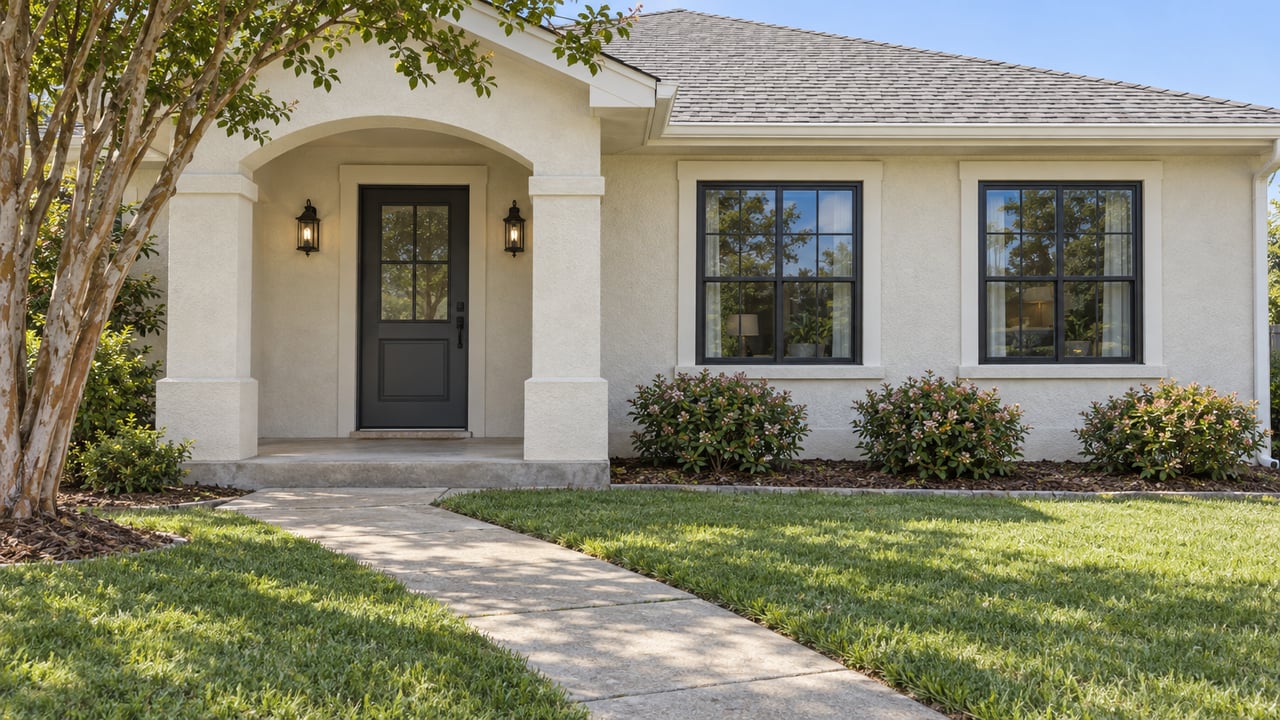
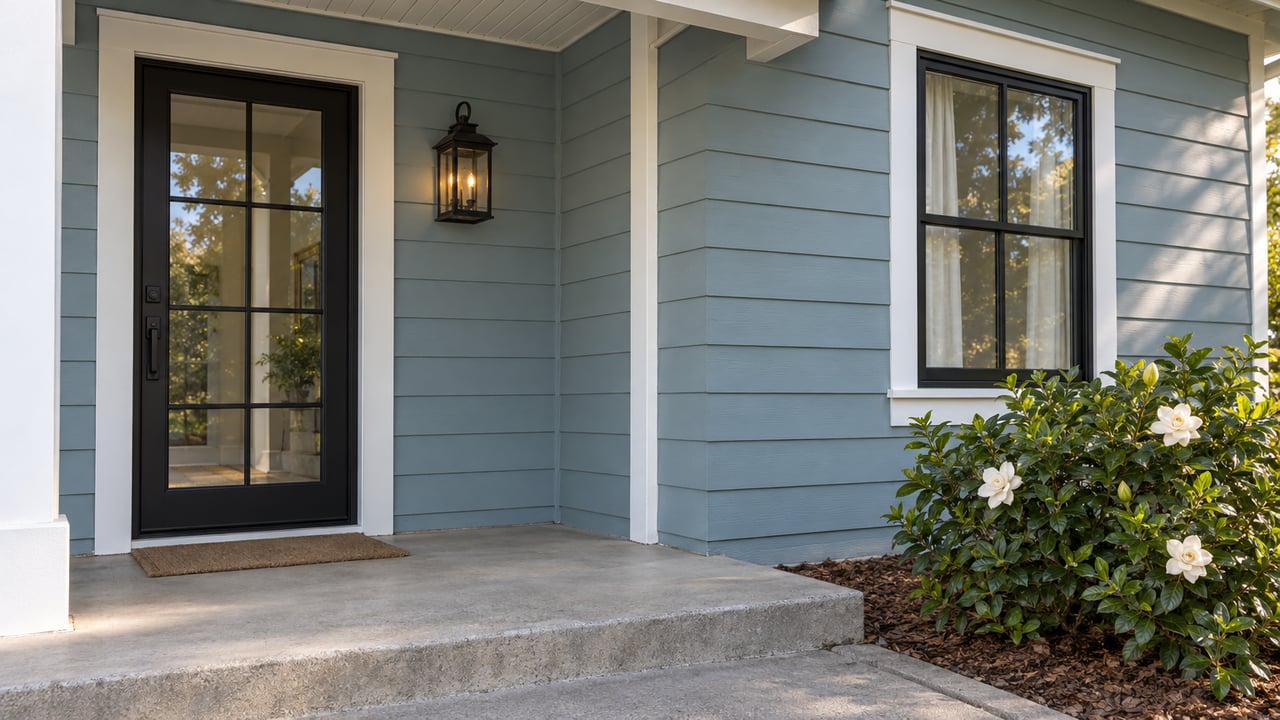
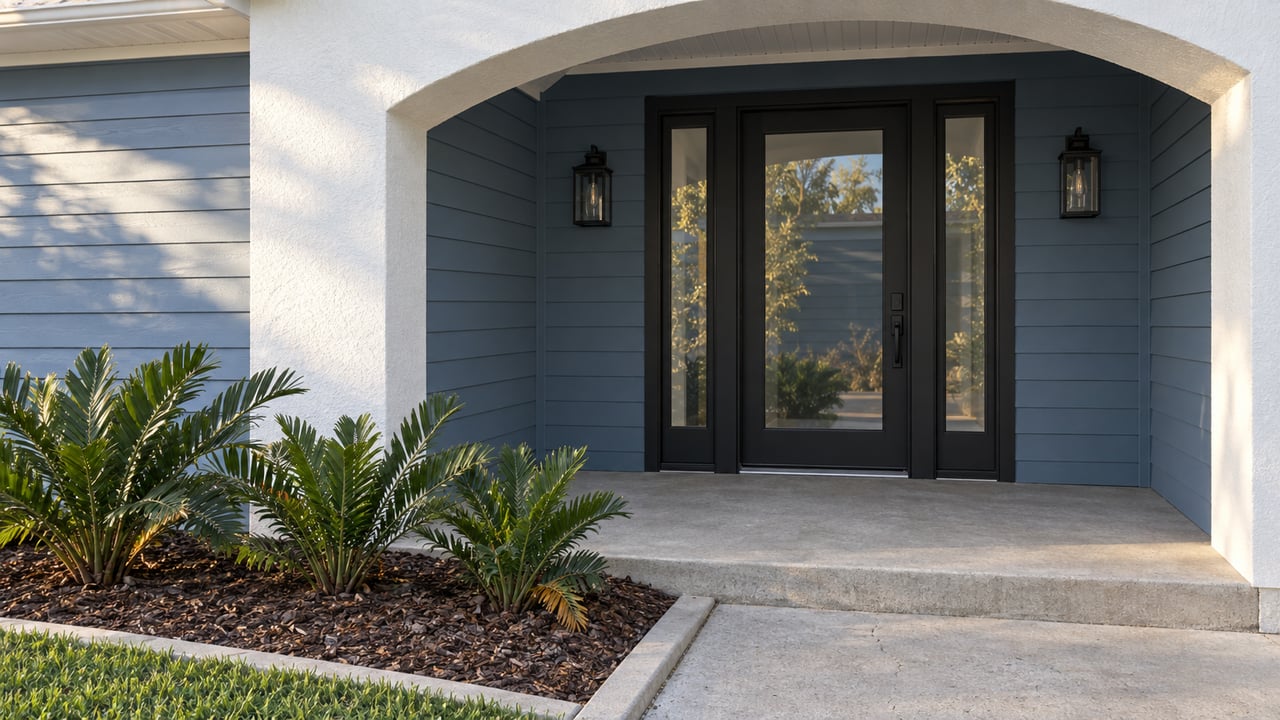
A worn front door can quietly hurt your first impression. In the same remodeling report, front-door replacement showed strong cost recovery, with a new steel front door at 100% and a new fiberglass front door at 80%.
If a full replacement is not necessary, even a refresh can help. A clean, polished entry signals that the home has been cared for.
Improve curb appeal carefully
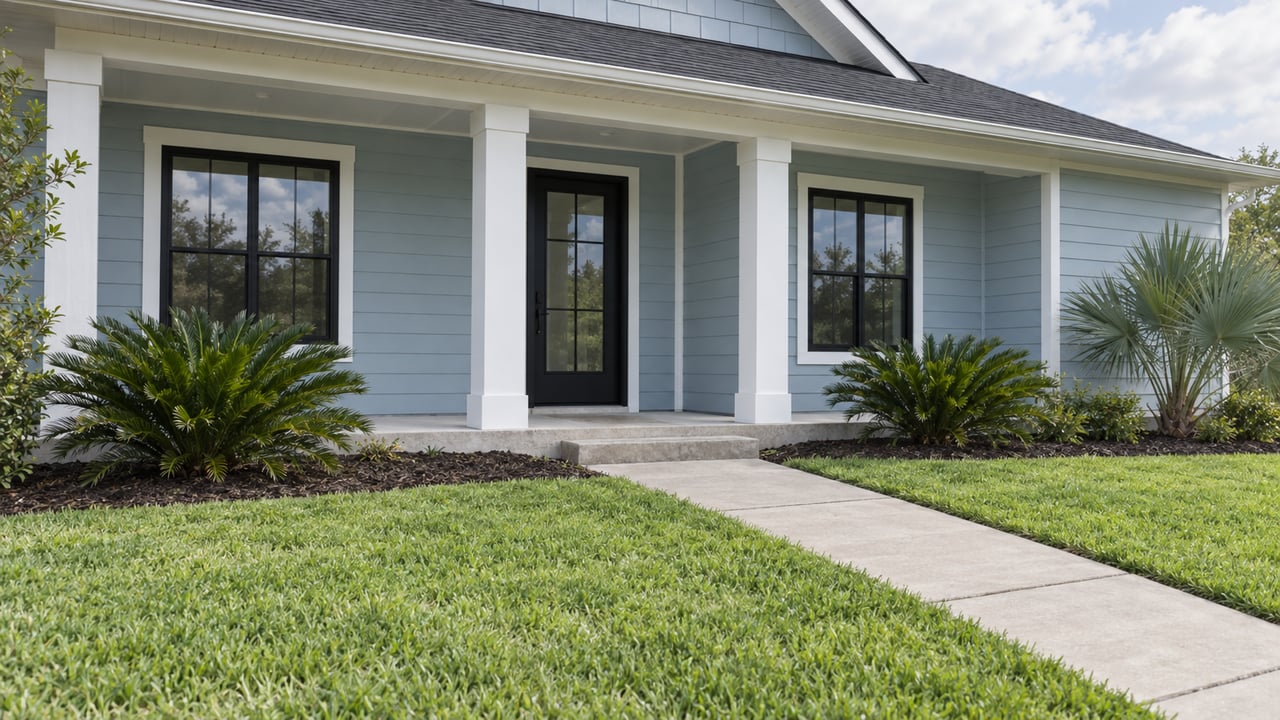
Simple curb-appeal work can make a real difference. Landscaping cleanup, fresh mulch, lighting, pressure washing, and trim touch-ups can help your home look move-in ready from the start.
That said, timing matters in this area. The Villages Community Standards process notes that certain exterior modifications may require ARC approval before work begins, including some landscaping changes, fencing, arbors, painted driveways, porch enclosures, tree removal, and concrete patios. If you plan to list soon, focus on projects that improve appearance without creating approval delays.
What you can usually skip
Not every update adds value before a sale. In fact, some expensive projects create more risk than reward, especially in a market where buyers can compare your home to newer homes with modern finishes already built in.
Full kitchen gut jobs
A dated kitchen does not always need a full remodel. Unless it has a clear functional problem or is dramatically out of step with competing homes, a major kitchen overhaul is often hard to justify before listing.
In many cases, buyers respond well to a clean, well-maintained kitchen with neutral paint, good lighting, and a tidy presentation. The goal is to make the space feel cared for, not to chase every current design trend.
Luxury bath remodels
The same logic applies to bathrooms. If the room works properly and does not have water damage or maintenance issues, a full rebuild may not return enough value to make sense.
Cosmetic improvements often do more with less. Deep cleaning, updated hardware, fresh caulk, and paint can go a long way.
Highly personalized finishes
Bold design choices can limit buyer appeal. If your home has very specific colors, dramatic wallpaper, or unusual built-ins, neutralizing those features may help. But adding new personalized finishes right before listing is usually money better saved.
Middleton buyers are comparing options quickly. Broad appeal generally wins over highly customized style.
Exterior projects with approval delays
Some exterior upgrades may sound attractive, but they can slow your launch if approval is required. If the project is not essential to condition or safety, think carefully before starting it.
A delayed listing can cost you momentum. In many cases, simple cleanup and smart pricing are more effective than a larger exterior project that adds time and uncertainty.
When selling as-is makes sense
Selling as-is can be the right call if you want a faster, simpler process or if the home needs more work than you want to manage. It can also make sense in estate situations, assisted-move transitions, or when you want to avoid coordinating contractors.
But as-is does not mean ignore everything. Known defects, roof issues, plumbing leaks, water intrusion, termite history, permit questions, and similar items still need attention in your disclosure and pricing strategy.
The real benefit of an as-is approach is clarity. Instead of spending heavily, you identify what is known, decide what not to fix, and price the home so buyers can factor that condition into their offers.
A simple decision framework for Middleton sellers
If you are unsure how to choose between updating and selling as-is, use this four-step approach.
1. Fix risk first
Start with safety, water, roof, plumbing, pest, permit, and disclosure-related issues. These are the problems most likely to affect inspections, financing, or buyer trust.
If a repair removes a major objection, it usually deserves strong consideration.
2. Spend on broad-appeal cosmetics
Next, focus on lower-cost improvements that help almost every buyer respond better to the home. That usually means:
- Fresh interior paint
- Cleaning and decluttering
- Front-door refresh or replacement
- Minor curb-appeal improvements
- Touch-ups that make the home feel maintained
These are often the safest dollars to spend before listing.
3. Skip expensive taste-based projects
Think twice before doing a luxury remodel, room addition, or highly customized design upgrade. In Middleton, buyers have enough choices that these projects may not return their full cost.
If the update mainly reflects personal taste rather than a real defect, it is usually lower priority.
4. Price for condition, not sunk cost
This may be the most important step. In 34762, homes are taking a median of 46 days to sell and closing about 2.02% below asking on average. Buyers are watching value closely.
That means your list price should reflect your home’s actual condition and the nearby competition, not simply what you spent over the years. Good pricing and smart prep work best together.
How much should you spend before listing?
There is no one-size-fits-all number, but the best approach is usually selective, not sweeping. Spend enough to remove obvious objections and improve presentation. Stop before you drift into projects that are expensive, slow, or style-driven.
In practical terms, many sellers do best by fixing material issues first, then making a few visible updates buyers appreciate right away. That approach supports both buyer confidence and a cleaner negotiation.
This is where contractor-minded advice can make a difference. A practical review helps you separate repairs that protect value from updates that simply add cost.
The goal is a smoother sale, not a perfect house
You do not need to turn your home into a model home to get strong results in Middleton. You just need to remove the biggest red flags, improve what buyers see first, and align your price with the market.
For many sellers, that means a mix of targeted repairs and modest cosmetic improvements. For others, it means a well-priced as-is strategy with clear disclosures and realistic expectations. The right choice depends on your timeline, budget, and the home itself.
If you want help deciding what is worth fixing before you list in Middleton or nearby Lake County, Martha Ridgway can help you sort through the options, prioritize the right projects, and build a strategy that fits your move.
FAQs
What repairs matter most before selling a home in Middleton?
- The most important repairs are usually roof issues, water intrusion, plumbing leaks, termite or pest concerns, permit questions, code issues, and other items likely to affect disclosure, inspection, or financing.
Does selling a Middleton home as-is remove disclosure requirements?
- No. Selling as-is does not eliminate the need to disclose known issues such as roof problems, leaks, water intrusion, permit concerns, or pest history.
Should you remodel a dated kitchen before listing in 34762?
- Usually not unless the kitchen has a functional problem or is far behind competing homes. In many cases, cosmetic improvements and a clean presentation are the better value.
Which exterior updates may need approval in Middleton or nearby Villages areas?
- Certain exterior projects such as some landscaping changes, fencing, arbors, painted driveways, porch enclosures, tree removal, and concrete patios may require ARC approval before work begins.
How should you price a Middleton home that needs repairs?
- Price it based on current competition and actual condition, not on sunk costs. In a market where buyers still negotiate, condition and pricing need to work together.
Is fresh paint worth it before listing a home in Middleton?
- Yes, in many cases. Fresh interior paint is one of the most commonly recommended pre-listing improvements because it helps the home feel cleaner, brighter, and more move-in ready.