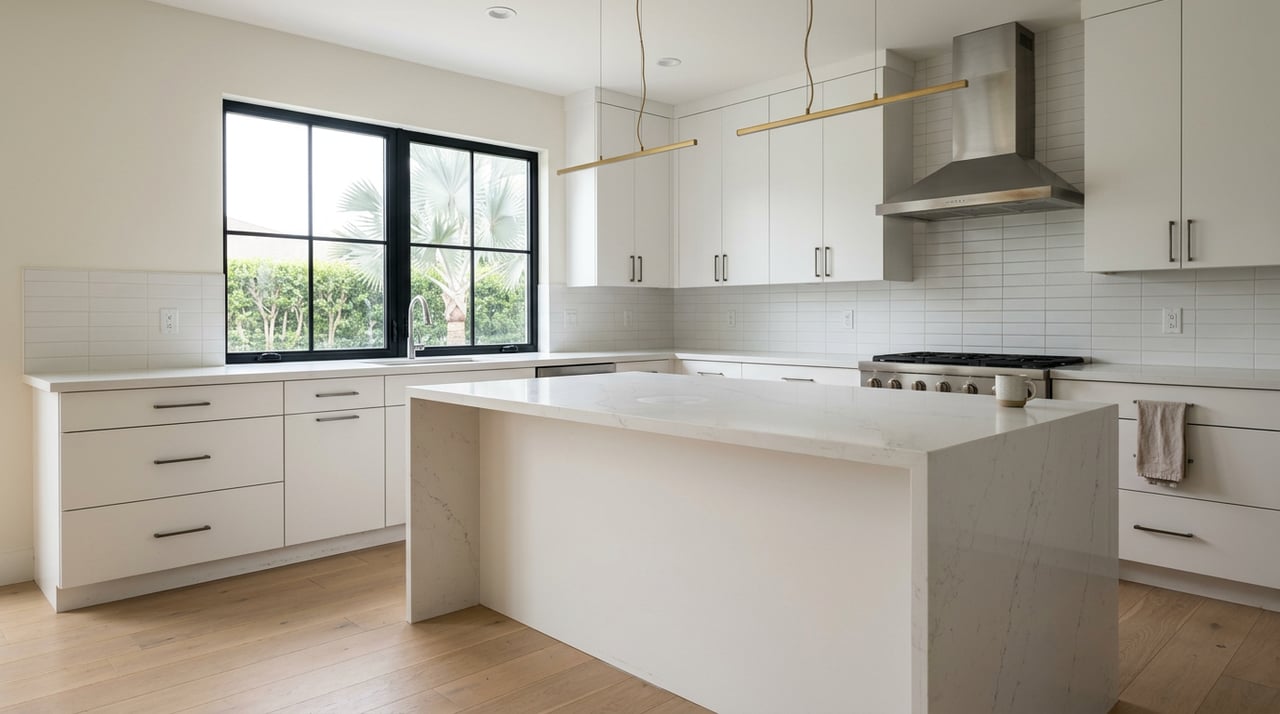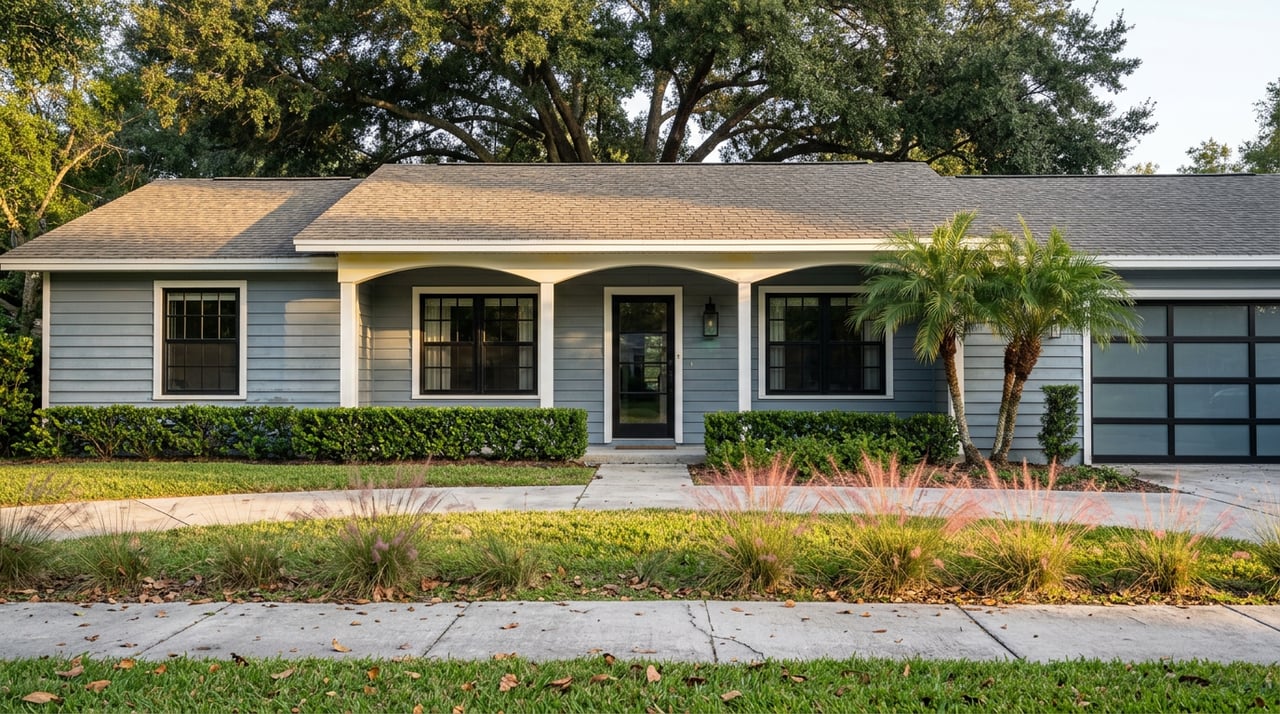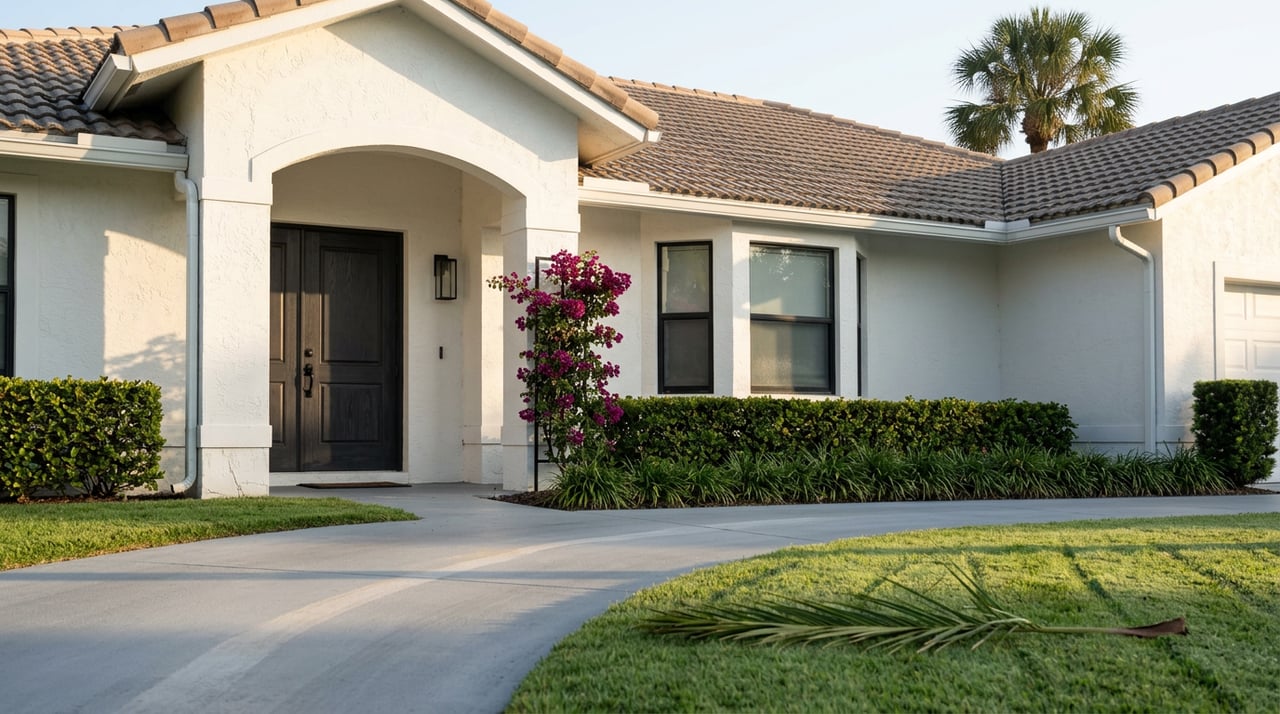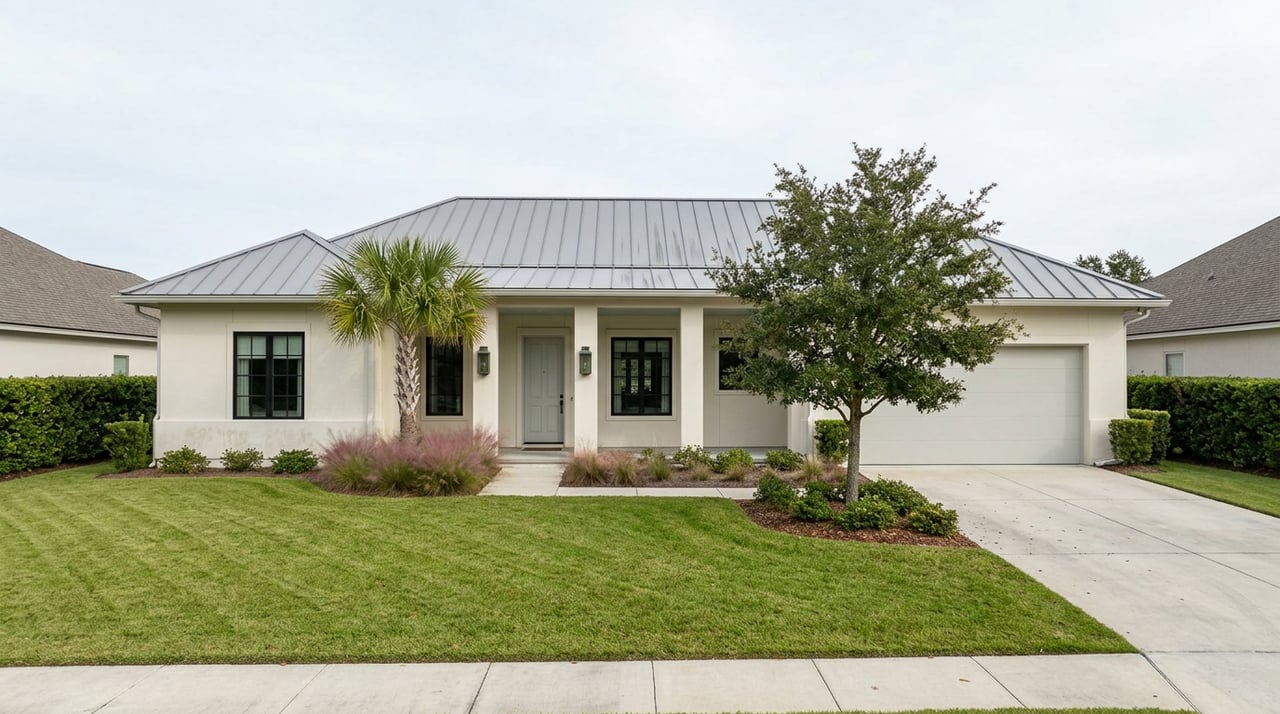
A homeowner in Middleton decides to sell. They price against the two resales that closed nearby last quarter, tidy up the lanai, and list. Within a week they learn that most of their showings also toured a model home three streets over, complete with a golf cart garage, a Pegasus water filtration system, and a lender sitting inside the sales office ready to talk financing before the buyer leaves the parking lot.
That's not bad luck. It's the actual structure of the market Middleton sellers are operating in, and it's worth naming plainly before you set a price.
The developer never stopped selling
Middleton isn't a finished subdivision with a builder who packed up and left. It's an active, expanding development where The Villages organization is still the largest seller of homes on the same streets where resales are trying to compete. The company runs its own sales channel, Middleton's Homefinder, stages model homes, and offers in-house financing arranged for the buyer before they ever see a resale listing.
That's a meaningfully different competitor than another homeowner. A national mortgage industry outlet that covers builder sales strategy explains why: builders can fund rate buydowns and closing credits at a fraction of retail cost because they negotiate forward commitments, bulk rate locks with lenders tied to volume across an entire subdivision. An individual seller has no equivalent lever. What a builder almost never does, according to that same reporting, is cut the sticker price, because a price cut hits every recent buyer's comps and creates cancellations and appraisal problems down the line. Builders would rather hand out incentives quietly than move the number publicly.
That single fact reframes the whole conversation. If the builder down the street won't cut price, a well-prepared resale isn't fighting a discount war. It's fighting a perception war, and that's a fight a seller with the right staging and pricing strategy can actually win.
Why "no age restriction" doesn't save you here
Middleton is the exception inside The Villages system: it's an all-ages, non-age-restricted community, built specifically for working families rather than retirees. Public radio coverage of the region noted that the surrounding Wildwood-The Villages metro has become one of the fastest-growing areas in the country for young children, and Middleton was built in direct response to that shift.
That distinction matters because a lot of what's souring resale conditions elsewhere in The Villages doesn't apply here. A recent market analysis of the broader Villages resale market pointed to forced-turnover inventory, retirees moving to assisted living, estates settling, health situations forcing a sale, as one reason older sections have seen three straight years of softening prices and a large share of Sumter County listings taking price cuts. Middleton doesn't have that dynamic in the same way. Families aren't cycling out for the same reasons retirees are.
But Middleton has its own version of the same underlying problem: raw scale of ongoing construction. Middleton Community Development District A, the district covering the main family-oriented build-out, spans roughly 2,485 acres, and state audit filings show its first phase alone calls for 3,616 residential units. That's not a neighborhood filling in its last few lots. That's a construction pipeline with years left to run.
Layer onto that the Middleton Downtown Community Development District, established in March 2023 and expanded in 2025 to nearly 65 acres. Villages-News reported the developer is putting $50.4 million into that district's infrastructure, including close to $27 million for parking, $12.5 million for landscaping, and just under $7 million for earthwork and stormwater work, all in service of roughly 350,000 square feet of new commercial space anchoring downtown Middleton. And to the north, a site plan for up to 3,700 additional homes has already worked through local approval, meaning more new-construction competition is scheduled to arrive, not wind down.
Put together, a Middleton seller isn't waiting out a temporary glut. They're selling into an area where a huge employer with its own sales force plans to keep building for years.
What the builder can't easily hand a buyer
If price cuts are off the table for the builder, the competitive ground shifts to things a resale can offer that a construction site can't.
| What the builder offers | What an established resale can offer |
|---|---|
| A brand-new floor plan, but a raw, unlandscaped lot | Mature landscaping, established lawn, and a lived-in yard |
| Rate buydowns and closing credits tied to their preferred lender | Immediate closing with no build schedule to wait on |
| A model home built to a standard finish package | Upgrades already installed and paid for: water filtration, expanded lanais, custom garage additions |
| Proximity to construction traffic and ongoing buildout noise | A finished street in a settled section, often closer to downtown's shops and restaurants |
| A sales office pitch | A home a buyer can walk through today, exactly as it will look at closing |
None of that is theoretical for Middleton specifically. Downtown Middleton already has an open, functioning commercial strip along Dr. Michael Perry Bypass with tenants like Portillo's, 4 Rivers Smokehouse, Victory Family Sports Grill, Abbott's Frozen Custard, and a Mediterranean spot called 24 Middleton. A resale within walking or golf cart distance of that stretch is selling proximity that a lot in a newer, still-under-construction section simply can't match yet.
Price against the phase that's actually open now
The other mistake sellers make is anchoring to last year's resale comps instead of the pricing tier the builder is actively selling against today. Middleton's own pricing structure runs in distinct series. As of the most recent published tiers, entry-level two-bedroom homes in the roughly 1,400 to 1,500 square foot range start in the low $200,000s. A mid-tier series with two, three, or four bedrooms and up to 2,812 total square feet starts in the mid $200,000s. A larger series with two or three car garages plus a dedicated golf car bay, running up to nearly 2,900 square feet, starts in the low $300,000s.
Those aren't historical numbers. That's what a buyer touring your resale saw an hour earlier at the sales office, at a fixed and public price. If your home is closer in size and finish to the mid-tier series, price it with that series in mind, not with what a similar home sold for two years ago before the next phase opened.
Before you list
A few concrete steps make the difference between competing on the builder's terms and competing on yours:
- Find out which current builder series most closely matches your home's size and finish level, and price relative to that series's published starting point, not last year's resale data.
- Inventory your upgrades in writing: water filtration, expanded lanai, golf cart garage additions, anything installed after the original build. These are the features a model home doesn't have yet.
- Get a landscaping and curb condition assessment early. A mature yard is a genuine advantage over a freshly graded lot, and it photographs that way.
- Ask directly which downtown amenities and open restaurants sit within golf cart range of your address. Walkable proximity to an already-open commercial district is a selling point new-construction sections further from downtown can't yet offer.
- Time your listing with an eye on what phase the developer has currently active. A quiet stretch between phase openings can work in your favor.
A couple of straight answers
Does Middleton carry the same kind of bond assessment as the rest of The Villages? Middleton's infrastructure, roads, drainage, utilities, is financed through special assessment revenue bonds tied to its community development districts, the same financing structure used throughout The Villages. Ask for the specific district and lot-level bond balance in writing before you price your home, since it affects a buyer's total carrying cost.
How long will new construction keep competing with resales here? Based on the acreage and unit counts already approved, Middleton's build-out has years left to run, and the recently approved expansion to the north suggests the developer's pipeline extends further still. Plan your pricing and marketing strategy around an active, multi-year construction environment rather than a market that's about to quiet down.
Selling in a neighborhood the developer is still actively building is a different exercise than selling in a finished one. It rewards sellers who know exactly what they're up against and price and stage accordingly, not sellers who wait for the competition to go away.
If you're weighing a sale in Middleton and want a clear-eyed read on what's actually competing with your listing right now, Martha Ridgway can walk the current phase pricing, your home's upgrade history, and a realistic marketing plan with you. Request Your Free Home Valuation to start that conversation.